Physical Address
Central Java, Indonesia
Physical Address
Central Java, Indonesia


In today’s fast-paced world, where smartphones, tablets, and other electronic devices play an essential role in our daily lives, having a reliable power bank is not just a convenience, but a necessity. Whether you are a frequent traveler or simply navigating through a busy day, the likelihood of your device running out of battery is high. A power bank serves as a portable charging solution, ensuring that you can stay connected wherever you are.
For travelers, the importance of a power bank is magnified. Long flights, delays, and layovers often leave individuals without access to charging outlets. An unforeseen delay can result in a drained smartphone just when you need it to navigate or book accommodations. A power bank allows you to charge your devices on the go, providing peace of mind that you can communicate, access documents, or entertain yourself during unexpected waiting periods.
Additionally, emergencies can occur at any moment while traveling or during day-to-day activities. Imagine missing an important call due to a dead battery or being unable to access essential information because your device has shut down. In these situations, a power bank not only becomes a practical tool but also a lifeline. It empowers you to take control of your device’s power needs, so you are always prepared.
Moreover, power banks come in various shapes and sizes, catering to different needs and lifestyles. From compact models that fit easily in a pocket to larger capacities designed for extended trips, the options available ensure that everyone can find a suitable solution for their charging needs. By investing in a quality power bank, you can avoid the inconvenience of running out of battery, making it an indispensable accessory for both travel and daily life.
When selecting a power bank, several key features are crucial to ensure that it meets your needs effectively. One of the primary factors is the capacity, measured in milliampere-hours (mAh). The capacity largely determines how many charges you can get from your power bank. A higher mAh rating typically means more power storage, allowing users to charge their devices multiple times before needing to recharge the power bank itself. For daily use or travel, a capacity of at least 10,000 mAh is generally recommended.
Another important consideration is the size and weight of the power bank, as portability plays a significant role in travel convenience. A compact and lightweight design is ideal for those looking to carry it in a backpack or purse. While larger capacity banks tend to be bulkier, advancements in technology have led to slimmer models that still pack a punch.
Charging speed is a vital feature as well. The output power, typically measured in watts, affects how quickly your devices will recharge. Many modern power banks offer quick charge capabilities, which can significantly reduce the time it takes to power up your smartphone or tablet. Additionally, the number of available ports is another consideration; having multiple ports allows simultaneous charging of multiple devices, enhancing practicality.
Compatibility with various devices is essential. Ensure that the power bank supports the voltage and current specifications of your devices. Some power banks even come equipped with additional functionalities, such as wireless charging or solar capabilities, providing extra convenience for users. Overall, evaluating these features will help consumers choose a power bank that meets their specific travel and daily usage requirements.
Finding a reliable power bank is essential for ensuring your devices remain charged while on the go. Here are some of the top recommendations that cater to diverse needs and budgets.
Anker PowerCore 20100
The Anker PowerCore 20100 is a high-capacity power bank boasting a 20,100mAh battery. It can charge most smartphones over five times or provide multiple charges for tablets. With its dual USB ports, it allows simultaneous charging for two devices. The fast-charging technology is a significant advantage, yet the relatively large size may pose portability challenges for travelers. Price range: $39.99 – $49.99.

RAVPower 26800mAh Power Bank
RAVPower offers a robust 26,800mAh battery that can charge devices multiple times, making it ideal for long trips. It features three USB ports for charging multiple devices and includes an LCD screen that displays remaining power. Although its size may not be pocket-friendly, its capacity is unmatched for high-use scenarios. Price range: $49.99 – $59.99.

JACUQ 10,000mAh Portable Charger
This compact yet powerful power bank provides 10,000mAh capacity, suitable for daily use or short trips. It is lightweight and easily fits in pockets. It features Dual USB outputs, capable of charging two devices at once. However, its lower capacity may not suffice for prolonged travel. Price range: $19.99 – $29.99.

Mophie Powerstation Plus Mini
Designed for versatility, the Mophie Powerstation Plus features a 6,040mAh capacity along with a built-in lightning cable. Perfect for Apple users, it provides a manageable size without sacrificing performance. The downside is that its smaller capacity may necessitate more frequent recharging. Price range: $29.95 – $39.95.

Zendure A2 Portable Charger
The Zendure A2 offers a durable design with a 10,000mAh capacity, making it an excellent travel companion. Its rugged build ensures functionality during adventurous outings. The downside is that it lacks ports for simultaneous charging of multiple devices. Price range: $29.99 – $39.99.
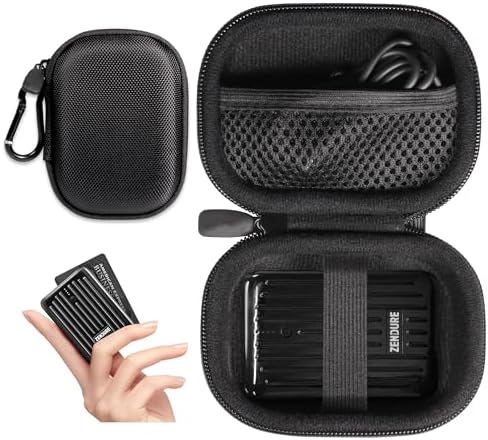
These power banks provide an array of options to fit different needs, ensuring that users can remain connected and charged throughout their travels or daily routines.
To ensure your power bank functions optimally and lasts as long as possible, it is essential to understand the best practices for usage and maintenance. One fundamental aspect is managing charging cycles. Most power banks contain lithium-ion batteries, which are capable of handling a specific number of charge-discharge cycles. Avoiding deep discharges and recharging your power bank when it reaches around 20% can help prolong its lifespan. Additionally, frequent top-ups are generally better than completely depleting the battery before charging.
Proper storage also plays a critical role in maintaining the performance of your power bank. If you do not plan to use it for an extended period, ensure that it is stored in a cool, dry place and charged to about 50% capacity. Extreme temperatures can harm the battery, and it’s advisable to keep the device away from direct sunlight or moisture.
Keeping your power bank clean is another crucial step that is often overlooked. Dust and debris can accumulate around the charging ports, leading to connectivity issues. Regularly inspect the device for dust and clean it gently with a soft, dry cloth. Avoid using any liquids that can seep into the device.
Furthermore, dispel some common myths surrounding power banks. For instance, it is a misconception that it’s necessary to fully drain the power bank before recharging; as mentioned, partial charges are preferable. Also, many believe that overheating is solely due to poor quality products, but even high-quality power banks can get warm during the charging process. Always ensure that your device has proper ventilation during use to minimize heating issues.
Lastly, take safety precautions to prevent overheating and potential hazards by avoiding using your power bank while it is charging. This simple measure can significantly reduce the risk of accidents and ensure safe operation, maximizing both the longevity and safety of your power bank.