Physical Address
Central Java, Indonesia
Physical Address
Central Java, Indonesia


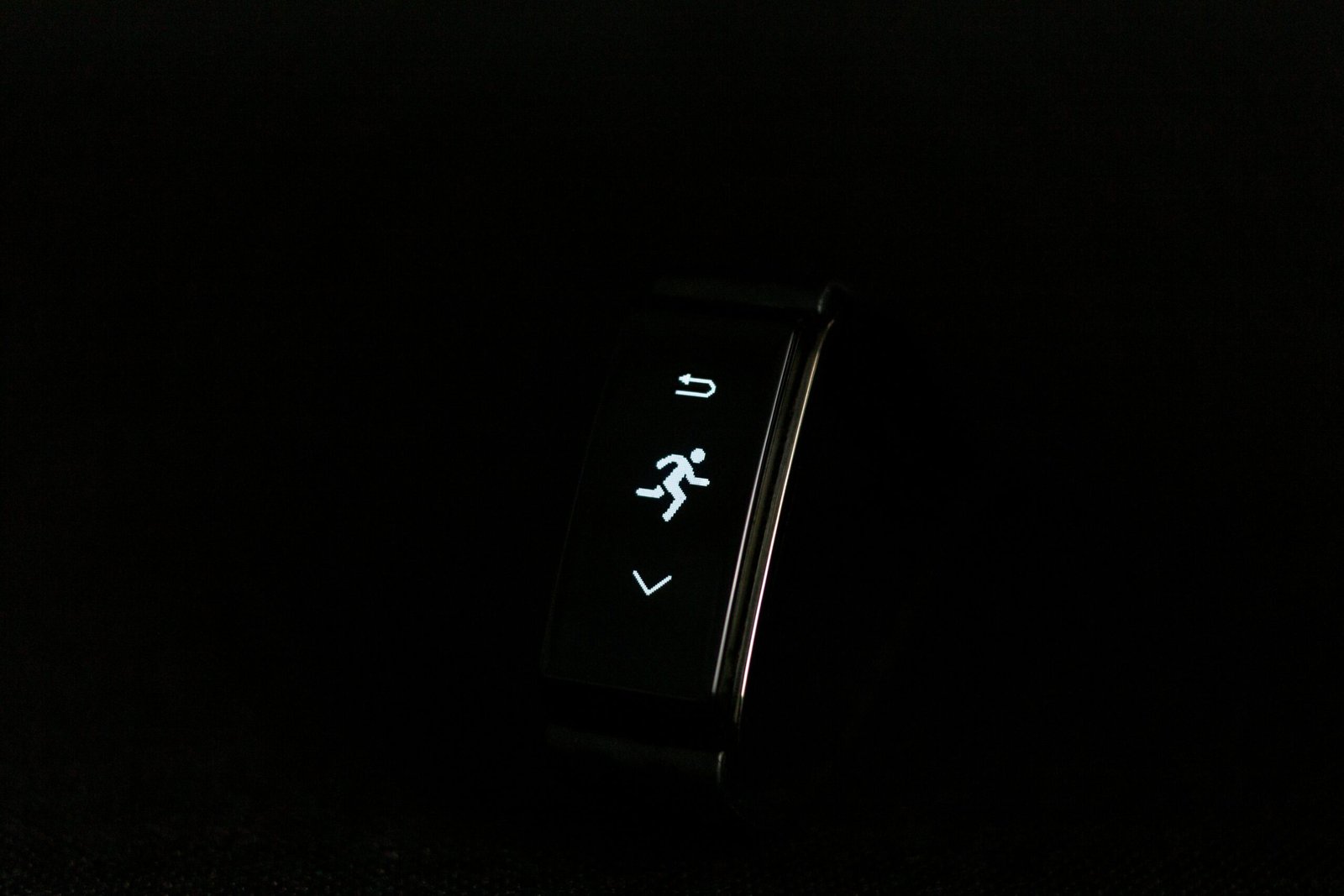
Fitness trackers are wearable devices designed to monitor various health metrics and encourage a more active lifestyle. These devices come equipped with an array of sensors that serve different functions, thereby providing users with comprehensive insights into their daily physical activities and overall health. Common sensors found in fitness trackers include heart rate monitors, accelerometers, and GPS units.
Heart rate monitors are integral in tracking cardiovascular health by measuring the user’s heart rate during different activities, which can help in assessing the intensity of workouts and overall heart health. Accelerometers, on the other hand, track movement by measuring the velocity and direction of motion, which helps in counting steps taken and determining the level of physical activity throughout the day. GPS functionality allows users to monitor their workout routes, calculate distance covered while running or cycling, and understand their pace.
The functionality of fitness trackers extends beyond just recording steps or heartbeats; they also provide critical information about sleep patterns, which is vital for recovery and overall well-being. Many models analyze sleep quality by monitoring movements during sleep, thus assisting users in making informed decisions regarding their rest and recovery strategies.
The benefits of using fitness trackers are numerous and include promoting physical activity by setting daily goals, providing reminders to move, and offering feedback on performance metrics. By facilitating data collection over time, these devices can help users identify trends in their health, encouraging consistent improvement and motivation. Ultimately, fitness trackers play an essential role in everyday health management, providing valuable insights that support users in maintaining an active and healthy lifestyle.
When considering a fitness tracker for your everyday health needs, several essential features warrant careful attention. The first aspect to evaluate is the design and comfort of the device. Since fitness trackers are often worn throughout the day and during physical activities, selecting a model that is lightweight, flexible, and offers adjustable straps can enhance user experience. Additionally, a design that aligns with personal style and preferences can encourage consistent use.
Water resistance is another critical feature, particularly for individuals who engage in swimming or water sports. A fitness tracker with a minimum water resistance rating ensures that the device remains functional even when exposed to moisture, providing versatility in various environments.
Battery life is also paramount; a tracker should ideally offer several days of usage on a single charge. This feature reduces the inconvenience of frequent charging and ensures that users can monitor their activity and health without interruption. Furthermore, compatibility with smartphones is integral, as it allows easy syncing of data to fitness apps, enhancing tracking capabilities.
GPS capabilities are beneficial for outdoor enthusiasts who wish to track their runs or cycling routes accurately. Having an integrated GPS feature eliminates the need for carrying a smartphone during these activities while providing precise distance and location data.
Lastly, on the health monitoring front, important features to consider include heart rate monitoring, sleep tracking, and activity recognition. For those pursuing fitness goals, continuous heart rate tracking can offer valuable insights into workout intensity, while sleep tracking allows users to understand their rest patterns and optimize recovery. Activity recognition features simplify the tracking process by automatically identifying different types of physical activities, facilitating better analysis of overall fitness trends.
As technology continues to advance, selecting the ideal fitness tracker can significantly enhance your health and wellness journey. Below, we present a curated list of the best fitness trackers available in 2025, focusing on various features, pricing, and overall value to meet diverse health needs.
1. Fitbit Charge 6
The Fitbit Charge 6 stands out for its comprehensive health metrics, including heart rate monitoring, sleep tracking, and stress management tools. With enhanced GPS features, it caters to outdoor enthusiasts. The device is recommended for users seeking a versatile fitness tracker.
Pros: Robust health insights, sleek design, long battery life.
Cons: Premium price point.

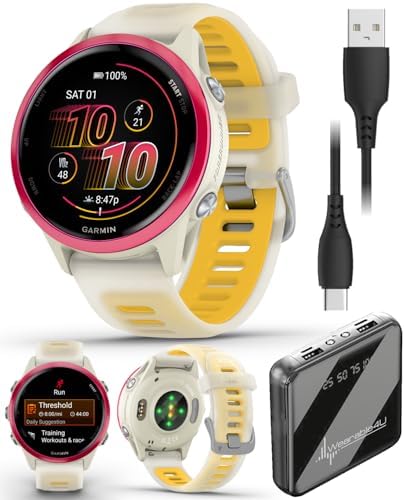
2. Garmin Forerunner 570
Renowned for its excellent GPS capabilities, the Garmin Forerunner 570 is ideal for runners and outdoor athletes. It offers advanced performance metrics and personalized training plans, making it perfect for serious athletes.
Pros: Accurate GPS tracking, in-depth running analytics.
Cons: Bulky design, less effective for casual users.
3. Apple Watch SE
The Apple Watch SE combines fitness tracking with smart technology, making it an excellent choice for Apple ecosystem users. It includes features like activity tracking, heart rate monitoring, and customizable watch faces.
Pros: Integration with iOS devices, stylish design, diverse app availability.
Cons: Higher price, dependent on iPhone.
![Apple Watch SE 3 [GPS 40mm] Smartwatch with Midnight Aluminum Cas...](https://m.media-amazon.com/images/I/31Gq8SToFJL._AC_.jpg)
4. Xiaomi Mi Band
A budget-friendly option, the Xiaomi Mi Band offers essential health metrics, including step counting, heart rate monitoring, and sleep tracking. It is designed for users who want an affordable yet functional fitness tracker.
Pros: Inexpensive, lightweight, good battery life.
Cons: Limited advanced features.

Each of these trackers offers unique benefits and appeals to different audiences, enabling users to select one that aligns with their health goals and lifestyle. By considering individual circumstances, users can find the right fitness tracker to support their everyday health effectively.
Incorporating a fitness tracker into your daily routine can significantly enhance your health journey. To begin, it is essential to set realistic and achievable fitness goals. Whether you aim to increase your step count, improve your sleep quality, or monitor your heart rate, aligning these objectives with your lifestyle ensures sustained motivation. Start by identifying specific short-term goals that lead to your long-term aspirations. For example, if your aim is to run a 5K, you could set a goal to walk 10,000 steps daily initially, gradually progressing towards longer distances.
Interpreting the data collected by your fitness tracker is crucial for making informed decisions about your health. Most devices offer insights into daily activity levels, heart rate variability, and sleep patterns. By regularly reviewing this data, you can identify trends and make necessary adjustments to enhance your well-being. For instance, if your tracker indicates that your sleep quality is poor, you might explore relaxation techniques or adjust your bedtime routine to promote better rest.
Integrating your fitness tracker into your daily routine requires consistency and intentionality. Designate specific times each day to check your progress, such as during breaks or post-workout. Incorporating reminders or notifications from your device can keep you accountable and promote adherence to your fitness goals. In addition, consider using your fitness tracker to participate in community challenges or leaderboards, which can provide additional motivation through social interaction.
Lastly, staying consistent with your health habits over time is vital for long-term success. Establishing a routine that incorporates physical activity, mindful eating, and regular health assessments ensures that your fitness tracker serves as an effective tool in your health journey. Remember, the key to maximizing your health benefits through a fitness tracker lies in commitment, understanding, and the ability to adapt as you grow.