Physical Address
Central Java, Indonesia
Physical Address
Central Java, Indonesia


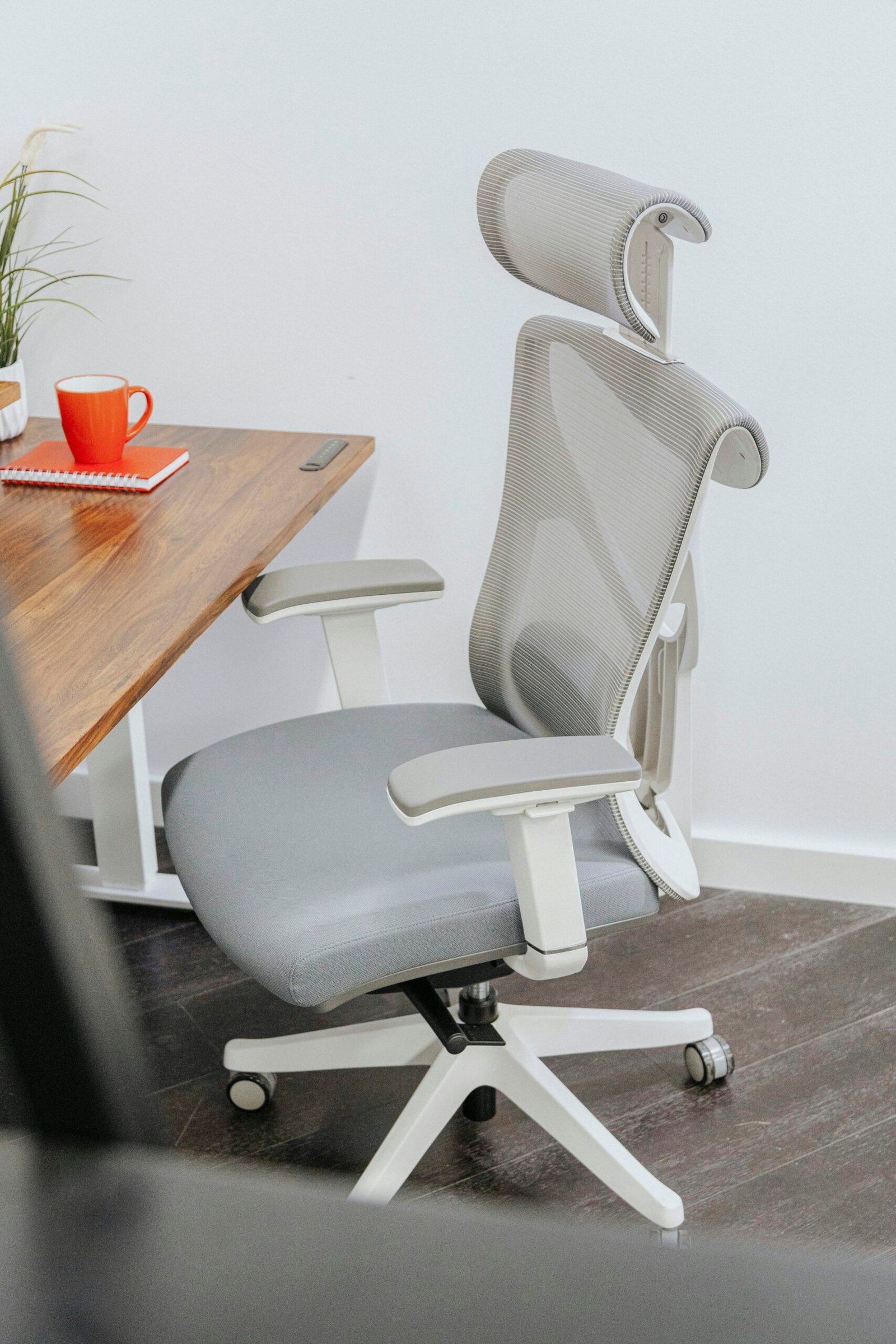
Ergonomics is the scientific discipline concerned with the understanding of interactions among humans and other elements of a system. It aims to optimize human well-being and overall system performance. In the context of workplace environments, the importance of ergonomics cannot be overstated, especially for individuals who spend long hours seated at a desk. Implementing ergonomic principles can lead to substantial benefits in comfort, productivity, and overall health.
Proper ergonomics involves several key elements that directly influence the comfort level of an office chair. Firstly, posture plays a critical role in how individuals experience their work environment. An ergonomic chair is designed to support the natural curve of the spine, encouraging proper alignment and reducing strain on the back muscles. Without appropriate lumbar support, those working long hours may experience fatigue and discomfort, which can ultimately detract from their performance.
Another vital aspect is seat height, which should be adjustable to suit different body types and desk heights. An incorrectly positioned chair can lead to poor blood circulation or joint strain, particularly in the legs. Equally important is armrest positioning; when armrests are too high or low, they can cause shoulder and neck tension, impacting overall comfort. Ergonomic chairs should allow users to have their arms at a 90-degree angle while typing to foster better alignment.
Conversely, poor chair choices can have significant negative consequences, including chronic pain, discomfort, and decreased productivity. Investing in an ergonomic chair is not merely a matter of comfort; it is an essential strategy for maintaining health and efficiency in the workplace. By promoting proper posture and offering customizable features, ergonomic chairs help create a conducive working environment that can significantly enhance the work experience.
When selecting an ergonomic chair, several critical features should be prioritized to ensure optimal comfort during long working hours. One of the primary attributes is adjustable seat height. This function allows users to configure the chair to their specific desk height, ensuring that their feet rest flat on the ground and their knees are aligned with their hips. A properly adjusted seat height plays a vital role in maintaining good posture and reducing muscle strain.
Another essential element is lumbar support. An ergonomic chair should provide adequate support for the lower back, helping to maintain the natural curvature of the spine. Look for chairs with adjustable lumbar support that can be positioned to fit the individual’s body structure, which can significantly enhance comfort and decrease the risk of long-term back problems.
Mobility is also a key feature to consider. A chair equipped with quality casters and a swiveling seat allows for easy movement and access to different areas of the workspace without straining the body. This mobility is critical in creating a fluid working environment, facilitating productivity while ensuring the user can maintain an ergonomic posture.
The quality of materials used in the chair construction should not be overlooked. Breathable fabrics and high-density foam help in temperature regulation and improve comfort throughout the day. These materials contribute to better durability, enhancing the chair’s lifespan.
Finally, the adaptability of the chair to different body types is essential. Features such as adjustable armrests and seat depth accommodate varying body shapes and sizes, promoting an inclusive ergonomic environment. An ergonomic chair that supports customization options allows users to tailor their seating experience, thereby enhancing overall user-friendliness.
As remote and hybrid work environments have solidified their place in our culture, the demand for ergonomic chairs has surged. In 2023, many ergonomic chairs are on the market, each providing unique features and functionalities to support long working hours.
One standout model is the Herman Miller Aeron. Known for its iconic design, the Aeron is fully adjustable, boasting lumbar support that can be personalized to fit various body shapes. Its breathable mesh material promotes airflow, making it suitable for long-term usage, especially in warmer climates. The price point typically ranges from $1,200 to $1,600, which some may find steep, but many users consider it a worthwhile investment.
Another noteworthy chair is the Steelcase Leap. This chair emphasizes movement and adaptability, allowing users to adjust different parts of the chair while in various seated positions. Users have praised its comfort and rigorous support, particularly in alleviating back pain. The Leap is generally priced around $1,000, making it a high-end option that prioritizes ergonomic health.
For those seeking a budget-friendly option, the Haworth Zody offers significant ergonomic support at a lower cost, typically between $500 and $700. This chair features lumbar support and is made from environmentally sustainable materials, appealing to eco-conscious consumers. It has received positive reviews for its adaptability suitable for shorter or taller individuals.
When choosing the best ergonomic chair, factors such as build quality, adjustability, and price should be carefully considered. Each chair mentioned has distinct features tailored to different user demographics, ensuring that everyone can find an ergonomic solution tailored to their working needs. These insights will help readers make informed decisions and discover where to purchase these essential office furniture staples.
Creating an ergonomic workspace involves more than just selecting the right ergonomic chair; it encompasses the entire working environment. To ensure optimal comfort and productivity, several factors should be considered.
Firstly, it is crucial to adjust your desk height. When seated, your elbows should be at a 90-degree angle, with your hands resting comfortably on the desk. This positioning not only aids in reducing strain on the arms and shoulders but also promotes better posture. Standard desk height may not suit everyone; therefore, it may be worthwhile to invest in adjustable furniture that allows for personalized height settings.
Monitor placement is another vital aspect of an ergonomic workspace. The monitor should be positioned at eye level, approximately an arm’s length away. This positioning helps in avoiding neck strain and eye fatigue. To further enhance comfort, consider using a monitor stand or adjustable arms that allow for easy adjustment. Proper monitoring setup contributes significantly to yet another critical factor: keyboard posture.
The keyboard should be positioned so that your wrists remain straight, with your hands slightly below elbow level. Utilizing a keyboard tray can help with this adjustment, promoting a neutral wrist position which is essential in preventing repetitive strain injuries. Additionally, when typing, gently rest your hands on the keyboard instead of applying excessive force. This simple adjustment reduces fatigue and enhances typing efficiency.
Finally, make it a habit to take regular breaks. Incorporating short breaks, approximately every hour, allows your body to relax and reset. Use this time to stretch and walk around, enhancing blood circulation and reducing discomfort. Implementing a holistic approach to ergonomics and workspace setup will complement your investment in an ergonomic chair and significantly improve your overall working experience.