Physical Address
Central Java, Indonesia
Physical Address
Central Java, Indonesia


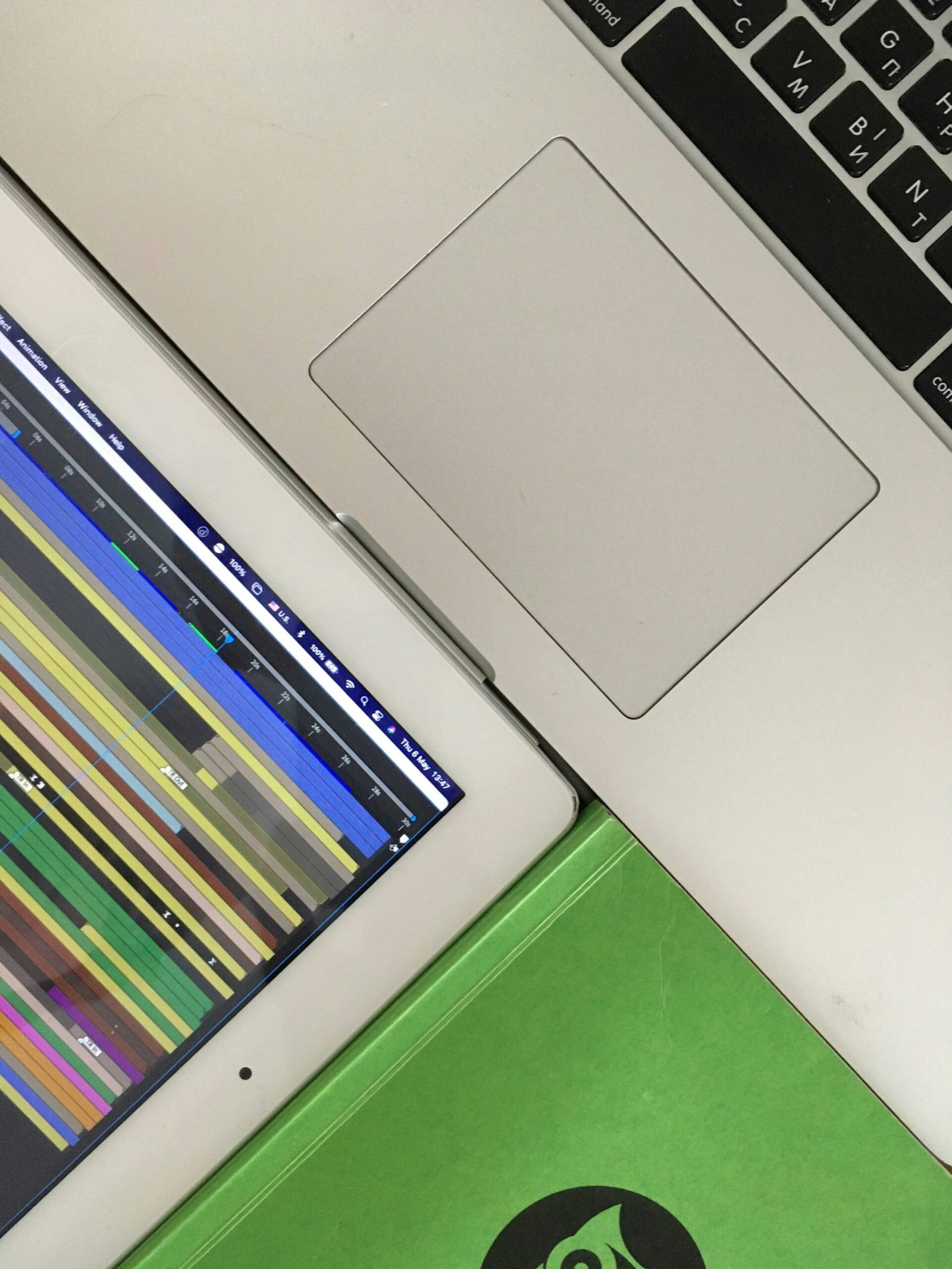
As we approach 2025, the landscape of mobile computing is witnessing a transformative evolution amidst shifting consumer demands and technological advancements. While both laptops and tablets occupy significant spaces in the market, their respective roles are defined by emerging trends in remote work, portability, performance, and multi-functionality.
Recent sales data indicates a robust growth trajectory for both laptops and tablets, yet the preference amongst consumers appears to be tilting towards devices that offer seamless versatility. Tablets, praised for their lightweight and compact nature, are increasingly utilized for casual tasks and on-the-go productivity. Conversely, laptops remain indispensable in professional settings and gaming applications, where enhanced processing power is a necessity.
Technological innovations play a crucial role in shaping the purchasing behavior of consumers. The advent of hybrid models that fuse tablet functionality with laptop performance has gained traction, responding to the demand for devices that can adapt to diverse scenarios. Features such as detachable keyboards and touchscreens are blurring the lines between these categories, affording users greater flexibility.
Additionally, the rise of remote work has significantly influenced market dynamics. With an increasing percentage of the workforce engaged in telecommuting, the emphasis has shifted towards devices that can facilitate connectivity and ease of use. Factors such as battery life, screen quality, and overall ergonomics are paramount in this decision-making process, cementing the importance of performance in both laptops and tablets.
In conclusion, as we move towards 2025, it becomes evident that the demand for laptops and tablets will continue to evolve in response to consumer needs, with a strong emphasis on portability and functionality. Understanding these market trends is essential for both consumers and manufacturers as they navigate the future of mobile computing.
In recent years, the debate between laptops and tablets has gained prominence as technology continues to evolve. Both devices come with unique characteristics and capabilities that cater to different user needs. To accurately evaluate which device is superior in 2025, we must examine various parameters including performance, usability, price, battery life, and software compatibility.
When it comes to performance, laptops generally provide superior processing power, supporting complex applications and multitasking more efficiently than a standard tablet. This makes them a preferred choice for professionals requiring robust computing for tasks like graphic design, data analysis, or software development. In contrast, tablets tend to excel in casual use, offering a more portable option for media consumption and light productivity. However, advanced models are closing the performance gap, particularly in hybrid devices which function as both laptops and tablets.
Usability is another key factor. Laptops typically feature larger screens and full-sized keyboards, enhancing the overall user experience for typing and extensive use. Alternatively, tablets offer touchscreens and increased portability, making them ideal for on-the-go tasks, especially in educational settings where quick access to information is vital. The price range also varies significantly; laptops often come at a higher cost for premium features, whereas tablets can provide budget-friendly options for everyday tasks.
Battery life has seen improvements across both categories, but usage scenarios greatly influence performance. Tablets have a slight edge, frequently lasting longer on a single charge thanks to lower power consumption. Lastly, software compatibility remains crucial; laptops run full operating systems, allowing installation of advanced software, while tablets typically utilize mobile operating systems with less demanding applications.
Thus, considering various aspects, the choice between a laptop and a tablet ultimately depends on individual requirements and the specific context of use. As technology progresses, hybrid devices continue to blur the lines between these two categories, offering users a versatile option for both work and leisure.
As we move towards 2025, the landscape of mobile computing is poised to undergo significant transformations, particularly in the realms of laptops and tablets. Several advancements are anticipated that could greatly influence consumer preferences between these two types of devices. One of the most notable areas of innovation is processor technology. The introduction of more efficient and powerful processors is expected, allowing laptops and tablets to deliver enhanced performance, streamlined multitasking capabilities, and greater energy efficiency.
Additionally, advancements in operating systems will play a pivotal role in shaping user experiences. Companies are likely to release updates that enable seamless integration between laptops and tablets, blurring the lines of functionality. This could make either option more appealing, depending on individual needs and usage scenarios.
Display technologies are also set to evolve, with the introduction of higher resolution screens, improved color accuracy, and adaptability to various ambient lighting conditions. Laptops may incorporate OLED displays, offering richer colors and better contrast, while tablets could adopt flexible screen designs that enhance portability without compromising on size or functionality.
Battery life improvements are crucial as well; with the growing demand for mobile devices that can last throughout the day, innovations in battery technology will likely lead to longer-lasting laptops and tablets. Enhanced charging methods, such as fast-charging technology and more efficient battery materials, will also contribute to a user-friendly experience.
Moreover, the impact of artificial intelligence and machine learning on both device types cannot be overstated. These technologies will enable smarter device functionalities, allowing laptops and tablets to anticipate user needs, optimize performance, and enhance overall user experiences. Features such as voice recognition, predictive analytics, and personalized settings will likely become standard in both formats, making them even more integral to daily life.
In considering the choice between a laptop and a tablet in 2025, it becomes essential to assess your personal needs and preferences. Both devices offer distinct advantages and serve different purposes, catering to a variety of users. For instance, laptops typically excel in computing power, multitasking capabilities, and compatibility with professional software applications, making them a solid choice for students, professionals, and anyone requiring powerful workflows. In contrast, tablets are known for their portability, intuitive interfaces, and touch-screen features, appealing to casual users or those who favor content consumption on the go.
When deciding, it is also crucial to consider your budget. Laptops usually require a higher initial investment compared to tablets, albeit with the potential for greater longevity and performance. It may be wise to evaluate both initial costs and long-term value to determine which device will better serve your needs over time. Also, keeping an eye on future-proofing investments is paramount. As technology advances, it is essential to choose a device that will remain relevant for years to come, ensuring that your investment does not become obsolete quickly.
Real-life examples and testimonials can provide valuable insights when navigating this decision. For instance, a college student who frequently attends lectures may prefer a lightweight tablet for note-taking and reading e-books, while a graphic designer may lean towards a more robust laptop for demanding design applications. Understanding various lifestyles and use cases can facilitate a more informed choice that aligns with your specific requirements.