Physical Address
Central Java, Indonesia
Physical Address
Central Java, Indonesia


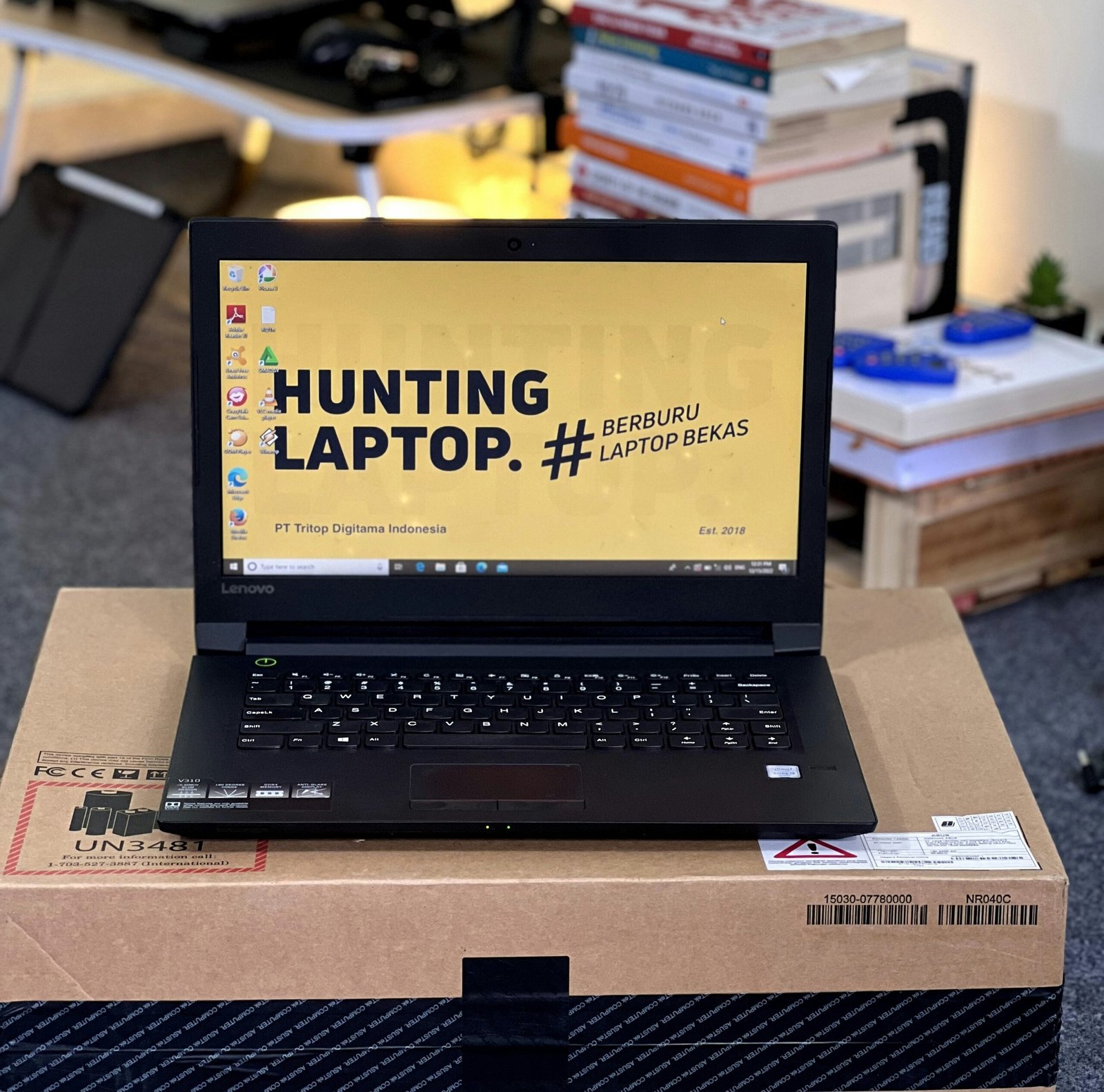
In today’s fast-paced world, having a reliable laptop is essential for both students and professionals. However, not everyone can afford high-end devices, which is where budget laptops come into play. Designed to provide a cost-effective solution without compromising too much on performance, these laptops have gained significant traction among users seeking functionality at an accessible price point.
Budget laptops typically feature essential components that cater to everyday computing needs. They are equipped with adequate processing power, sufficient RAM, and decent storage options that allow users to handle tasks such as word processing, browsing the internet, and even some light graphic work. This balance between price and performance is crucial, particularly for individuals who rely on their devices for academic assignments, collaborative work, and remote learning.
Moreover, the affordability of budget laptops eliminates financial barriers for many students and professionals, making technology more accessible. This democratization of computing helps create an environment where education and productivity can flourish, regardless of a person’s financial background. The lower price point does not necessarily mean inferior quality; instead, many budget models are designed with durability and practicality in mind, making them suitable for daily use.
In summary, budget laptops represent an important category in the personal computing market, offering robust solutions for work and study. They allow users to achieve their goals without facing overwhelming expenses, making them an attractive option for those seeking value in their tech investments. As technology continues to evolve, these budget-friendly devices will remain indispensable tools for a wide range of consumers.
When selecting a budget laptop for work or study, certain features become paramount to ensure that the device effectively meets the user’s needs. One of the foremost considerations is battery life. A laptop that can sustain several hours of operation without needing constant charging is essential, particularly for students who may need to use their devices throughout the school day.
Processing power is another critical aspect to evaluate. A laptop equipped with a reliable CPU ensures smooth performance for everyday tasks, such as browsing, document editing, and video conferencing. While budget laptops may not have the highest-end processors, a solid entry-level chip can still deliver satisfactory performance for most users.
RAM plays a significant role in multitasking capabilities. For work and studies, a minimum of 8GB of RAM is recommended, allowing users to run multiple applications simultaneously without lag. Additionally, considering the storage capacity is important; opting for a model with at least a 256GB SSD can significantly enhance speed and accessibility compared to traditional HDDs.
The display quality is key for both studying and professional work. Look for a laptop that offers an HD resolution of at least 1920 x 1080 pixels, providing clarity and reducing eye strain during extended use. Build durability should not be overlooked either; a robust construction helps ensure your laptop withstands daily wear and tear, which is particularly beneficial for students who transport their devices frequently.
Lastly, connectivity options such as USB ports, HDMI outputs, and wireless capabilities should align with your requirements. Adequate connectivity facilitates the integration of peripherals, which can enhance productivity. Depending on individual needs, prioritizing these features will lead to a more satisfying laptop experience, tailored to the specific demands of work or study.
Choosing an affordable laptop that meets both work and study requirements can be challenging, given the extensive options in the market. Below is a curated list of the top five budget laptops currently available, each offering exceptional value.
Acer Aspire 5: Known for its versatility, the Acer Aspire 5 is powered by an AMD Ryzen 5 processor, with 8GB RAM and a 256GB SSD. This laptop offers impressive performance for multitasking and day-to-day tasks. Its 15.6-inch Full HD display provides vibrant visuals, and the price range is typically around $450 to $550, making it an excellent value for students and professionals alike.
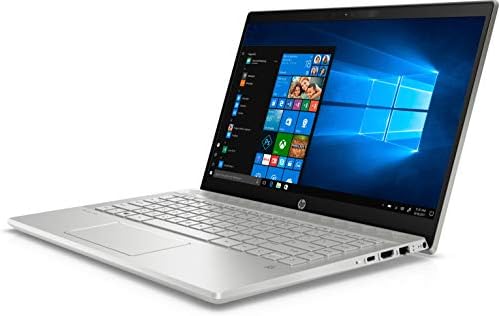
HP Pavilion 14: The HP Pavilion 14 stands out with its sleek design and solid performance. Featuring an Intel Core i5 processor, 8GB of RAM, and a 512GB SSD, this laptop can easily handle various productivity tasks. Priced between $500 and $600, it has received praise for its battery life and lightweight build, ideal for on-the-go usage.
Lenovo IdeaPad 3: The Lenovo IdeaPad 3 is an affordable powerhouse, equipped with either an AMD Ryzen 5 or Intel Core i3 processor, along with 8GB RAM and a 256GB SSD. This laptop is available for approximately $400 to $500. Users have noted its robust build quality and user-friendly interface, making it suitable for both work and educational settings.

Dell Inspiron 15 3000: A reliable choice, the Dell Inspiron 15 3000 features an Intel Core i3 processor, 8GB RAM, and a 128GB SSD. Its price range of $400 to $500 is complemented by strong customer reviews highlighting its durability and performance for everyday tasks, making it a great entry-level laptop.

ASUS VivoBook 15: The ASUS VivoBook 15 impresses with its modern aesthetics and solid performance, powered by an Intel Core i5 processor, 8GB of RAM, and a 512GB SSD. Retailing for around $500 to $600, it offers a standout feature of a backlit keyboard, which is beneficial for late-night study sessions.

These top five budget laptops not only deliver impressive specifications but also cater to various user needs, ensuring that consumers can make informed decisions for their work and study requirements.
When selecting the best budget laptops for work and study, it is essential to evaluate various factors including performance, price, battery life, and overall user satisfaction. Below is a comparative analysis that highlights these key elements, allowing potential buyers to make informed decisions based on their specific needs.
Performance: Typically measured through benchmarks and user reviews, performance remains a crucial criterion. Laptops equipped with Intel i5 or AMD Ryzen 5 processors tend to deliver satisfactory performance for everyday tasks such as browsing the web, using office applications, and light multitasking. On the other hand, some budget models with integrated graphics may struggle with demanding applications.
Price: The affordability of laptops can vary significantly within the budget category. Generally, one can find decent options ranging from $400 to $800. It’s important to balance your budget against the laptop’s specifications, as a slightly higher price point may offer significantly improved performance or features.
Battery Life: Battery longevity is another vital aspect. Many budget laptops offer battery life ranging from 6 to 12 hours. Users should pay close attention to real-life usage reports, as manufacturer claims can sometimes be overstated. A laptop with good battery performance is invaluable for those who work remotely or attend long classes.
User Satisfaction: Analyzing user reviews and ratings can provide valuable insights into the reliability and usability of budget laptops. Many consumers share their experiences in online forums and product reviews, indicating the strengths and weaknesses of each model.
By reviewing the performance metrics, price ranges, battery life, and user satisfaction ratings, readers can determine which budget laptop fits their academic or professional requirements best.
In today’s fast-paced environment, budget laptops have gained immense popularity, serving as reliable tools for work and study. Users across various sectors have shared their experiences to highlight the practicality and performance of these devices in real-life scenarios.
One user, a university student named Sarah, emphasized the effectiveness of her budget laptop during online classes. She noted that the device handled multiple applications seamlessly, allowing her to participate in lectures while conducting research and taking notes simultaneously. “For the price, I didn’t expect it to run so smoothly during my online classes. It’s lightweight and portable, which is a huge plus for my busy schedule,” she remarked.
Remote workers have also praised their budget laptops for business tasks. John, a freelance graphic designer, shared his experience using a budget laptop for creating digital artwork. Despite initial concerns regarding performance, he discovered that it could manage design software with a reasonable load. “I can’t say it’s the fastest, but it gets the job done for my everyday projects. Plus, it’s really cost-effective,” he mentioned.
Everyday users seeking a dependable computing experience for browsing, streaming, and document editing have also reported positive feedback. Emma, a medical receptionist, appreciates her budget laptop’s functionality for managing office tasks. “It’s perfect for sorting patient records and accessing online platforms. I don’t need anything extravagant, just reliable performance—which it definitely offers,” she explained.
These testimonials illustrate that budget laptops can effectively meet the needs of students, remote workers, and everyday users. They not only cater to essential tasks but provide satisfactory performance, proving that affordability does not necessarily equate to a compromise in quality.
When considering budget laptops for work and study, it is essential to be aware of the potential drawbacks that often accompany lower-priced options. One primary concern is the build quality. Budget laptops may utilize cheaper materials, which can lead to a higher likelihood of wear and tear. Users may find that hinges break or keys become unresponsive more quickly than on higher-end models. Therefore, it is vital to examine user reviews and seek out models known for their durability.
Another limitation is the hardware capabilities of budget laptops. These devices frequently come equipped with entry-level processors, limited RAM, and smaller storage capacities. Such specifications can hinder performance, especially for users who multitask or require software demanding higher processing power. Therefore, it is advisable for prospective buyers to assess their actual needs. For basic tasks like web browsing or document editing, a budget laptop may suffice, but for tasks involving video editing or 3D modeling, investing in a more powerful device may be necessary.
Additionally, many budget laptops come with limited upgrade options. This means that once the initial specifications are set, users may find it challenging to enhance performance in the future. For instance, some laptops may not allow RAM upgrades or may have soldered components, which cannot be replaced easily. To avoid falling into this trap, it is wise to choose a laptop from reputable manufacturers known for providing more flexible upgrade paths.
In conclusion, being aware of these common pitfalls can significantly improve the purchasing experience. By carefully considering build quality, performance needs, and upgrade options, consumers can make informed decisions that align with their budget and usage requirements.
Proper maintenance of budget laptops is essential for maximizing their performance and extending their lifespan. One of the most crucial practices is to regularly update the software. Operating system updates, antivirus software, and applications offer new features and security patches that help protect the device from vulnerabilities. Make it a habit to check for updates weekly or use automatic updates where possible to ensure the system runs efficiently.
Additionally, proper care and handling of the laptop are vital. Always use the laptop on a flat, stable surface to prevent overheating and avoid blocking vents. It is advisable to use a soft case when transporting the laptop to prevent physical damage. Avoid eating or drinking near the device, as spills can lead to serious malfunctions. Cleaning the keyboard and screen periodically with appropriate cleaning materials is also recommended to maintain aesthetic and operational quality.
Storage management plays a significant role in maintaining the performance of budget laptops. Regularly deleting unnecessary files, uninstalling unused applications, and transferring data to external storage can free up space and enhance the device’s speed. Utilizing tools to check the health of the hard drive and managing startup programs can also prevent slowdowns.
Lastly, knowing when to consider upgrades can substantially impact a laptop’s lifespan. If the laptop starts to lag despite proper maintenance, consider upgrading components such as RAM or switching to a Solid State Drive (SSD) for better performance. These upgrades can provide a more significant boost than simply replacing the laptop, making them a cost-effective solution.
The affordable laptop market is witnessing a transformation driven by emerging trends that cater to both work and education. The rise of Chromebooks exemplifies this shift, as these devices offer cost-effective solutions with robust performance, particularly tailored for users engaged in online tasks such as browsing, streaming, and using productivity applications. The simplicity and security provided by Chrome OS make these laptops highly appealing to students and professionals alike, ensuring they remain a prominent choice in budget-friendly computing.
Additionally, the growth in online education has significantly influenced the laptop market. As more institutions adopt remote learning models, students increasingly seek reliable and affordable devices that can support their academic needs. This surge has prompted manufacturers to enhance the specifications of entry-level laptops, enabling them to handle a range of applications necessary for educational purposes. Consequently, consumers can anticipate an influx of budget laptops equipped with features such as higher-resolution displays, improved processors, and extended battery life.
Moreover, the push for sustainability is becoming a key consideration in the design and production of affordable laptops. Manufacturers are focusing on eco-friendly materials and energy-efficient technologies, aligning their products with the growing consumer demand for sustainable choices. This trend not only helps reduce the environmental impact but also provides consumers with more environmentally conscious options that do not compromise on quality or performance.
In light of these trends, it is clear that future affordable laptop offerings will be marked by innovation that prioritizes usability, performance, and environmental responsibility. As the market continues to evolve, consumers can expect a diverse range of budget-friendly devices tailored to meet the increasing demands of modern work and study environments.
Selecting the right laptop is an essential decision for both work and study environments. A well-chosen laptop can significantly enhance productivity, improve learning outcomes, and streamline daily tasks, making it a critical tool for success. With a vast array of options available in the market, especially in the budget category, it is vital to identify the specific needs that your laptop must fulfill.
Before making a purchase, consider factors such as your primary tasks, required software applications, and portability needs. For instance, individuals who primarily engage in word processing, web browsing, and video conferencing might prioritize lightweight designs with long battery life. Conversely, students who need to run demanding software for graphics design or programming should focus on laptops with more robust specifications while still keeping budget constraints in mind.
Affordability does not have to come at the cost of quality and functionality. Many budget laptops offer impressive features that can competently support various applications crucial for work and educational pursuits. When evaluating potential laptops, take into account elements like processing power, RAM, storage capacity, build quality, and customer reviews. These criteria will help in recognizing a capable laptop that meets your specific requirements without exceeding your budget.
Ultimately, the best budget laptop for you will align with your unique usage patterns and preferences while providing a balance of performance and value. By meticulously assessing your needs and exploring available options, you can confidently choose a laptop that is both cost-effective and effective in serving its intended purpose. By prioritizing your necessities and utilizing informed judgment, you can ensure that your choice enhances your work and study experience to its fullest potential.