Physical Address
Central Java, Indonesia
Physical Address
Central Java, Indonesia


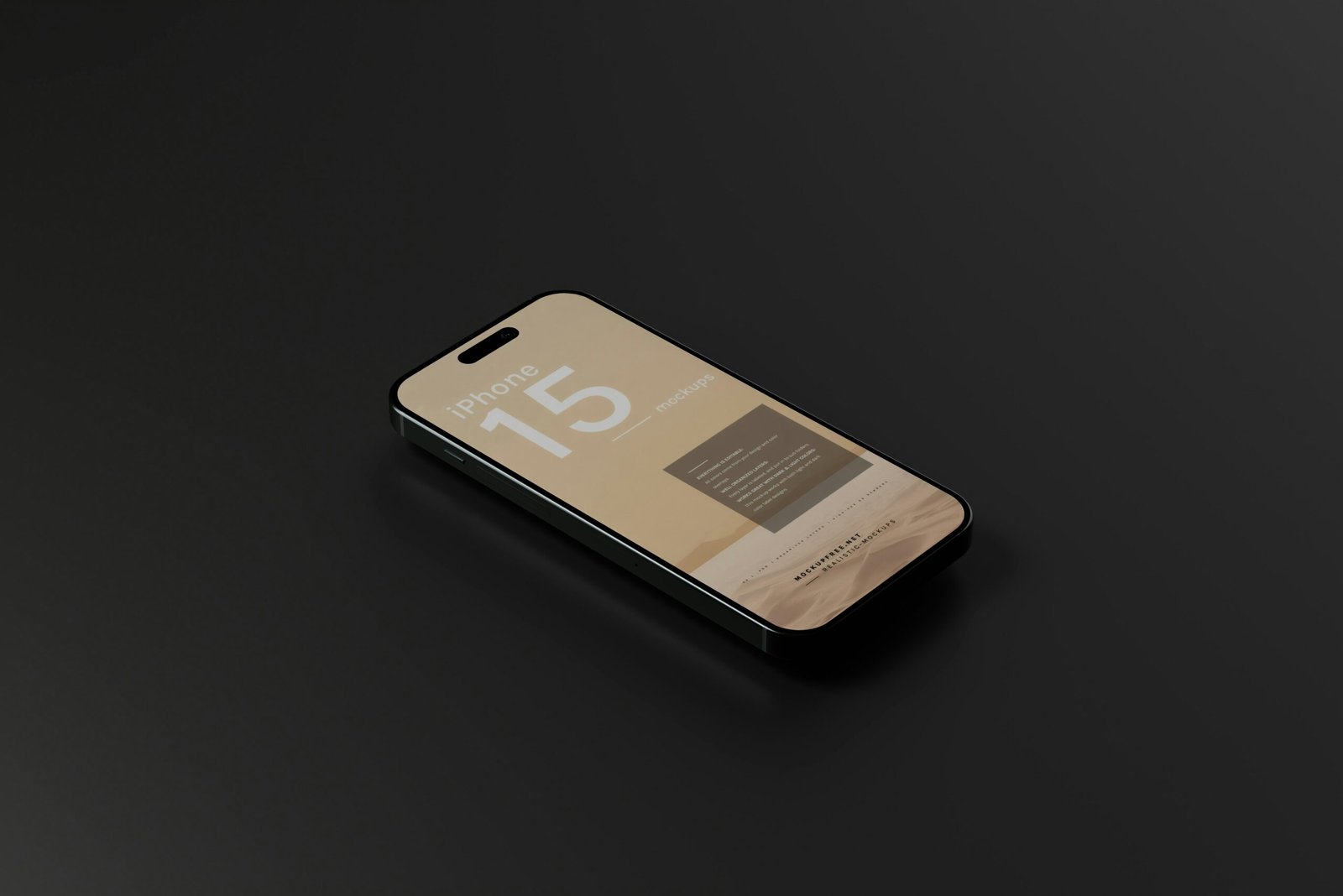
The iPhone 13, released in September 2021, has established itself as a significant entry in Apple’s lineup, featuring a variety of enhancements over its predecessor. One of its most notable attributes is the display, which measures 6.1 inches diagonally, providing a Super Retina XDR OLED panel that supports HDR10 and Dolby Vision. This technology enables vibrant colors and excellent contrast, enhancing user experience whether streaming media or engaging with applications.
In terms of camera technology, the iPhone 13 incorporates a dual-camera system, consisting of a 12 MP wide and a 12 MP ultra-wide lens. This setup not only allows for sharp images in various lighting conditions but also introduces features like Night mode and Sensor-shift optical image stabilization, which significantly improves low-light photography. The inclusion of Cinematic mode further allows users to capture videos with a depth-of-field effect, a feature previously reserved for professional film equipment.
Powering these features is the A15 Bionic chip, which boasts a six-core CPU and a four-core GPU. This formidable processing capability ensures seamless multitasking, gaming, and efficient performance for demanding applications. Moreover, the iPhone 13 is equipped with a battery that provides up to 2.5 hours more usage time than the iPhone 12, a considerable upgrade that accommodates all-day use without frequent recharges.
Regarding design and build quality, the iPhone 13 showcases a sleek aluminum frame and is available in several color options, enhancing its aesthetic appeal. The use of ceramic shield technology on the front provides improved durability, making it resistant to scratches and drops. Overall, the combination of these features and specifications not only positions the iPhone 13 as a standout smartphone at the time of its release but also raises the question of its relevance in the years to come.
The iPhone 13, released in September 2021, introduced users to a variety of technological features that made it one of the standout devices of its time. However, as we evaluate its relevance in 2026, it is essential to consider the technological advancements that have transpired since its launch. Over the years, Apple has consistently refined its technology, resulting in newer models that exhibit superior performance in several key areas.
One of the most notable improvements can be found in processor power. The iPhone 13 is powered by the A15 Bionic chip, which significantly enhances speed and efficiency. However, newer models released in 2023 have introduced the A17 Bionic chip, offering even more advanced processing capabilities. This shift results in faster application launch times, improved graphic rendering, and an overall smoother user experience in newer variants.
Moreover, camera functionalities have seen considerable enhancements. The iPhone 13 features a dual-camera system, with impressive capabilities for both photography and videography. Yet, newer models boast triple or even quad-camera setups, including advanced features like periscope zoom and night mode improvements. These upgrades not only cater to professional photography enthusiasts but also elevate everyday usage, providing users with remarkable enhancements in image quality.
Additionally, display quality has progressed to include ProMotion technology and higher refresh rates in newer models, providing smoother scrolling and an overall more responsive experience. Battery technology has also evolved, with newer variations featuring faster charging options and improved battery life, addressing one of the most critical aspects of smartphone usability. Lastly, the introduction of new software features in later models further enriches user experience, providing functionalities that the iPhone 13 lacks.
In conclusion, while the iPhone 13 remains a capable device, it is essential to acknowledge the rapid pace of technological advancements that newer models have achieved, ultimately impacting its relevance in the modern landscape of smartphones.
As we progress into 2026, many iPhone 13 users find themselves reflecting on their experience with this device. Three years post-launch, it remains a noteworthy player in the smartphone arena, reflecting a blend of performance and innovation that many still appreciate. Users often indicate that the iPhone 13 continues to perform adequately for most day-to-day tasks. Its A15 Bionic chip, which was lauded for its speed and efficiency, reportedly handles standard applications seamlessly, including social media, communication, and browsing.
Software compatibility is another crucial factor influencing user satisfaction. In 2026, the iPhone 13 is still supported by iOS updates, allowing users to enjoy the latest features and enhancements without the need for a new device. Users on forums express contentment with their devices, noting that they have access to essential apps, which reflect current trends and requirements. This continued support is an asset for those who prioritize stability and familiarity in their technology.
Gaming capabilities have also emerged as a significant aspect of the user experience. Many iPhone 13 owners report that while more recent models may boast enhanced graphical capabilities, the iPhone 13 can still run demanding titles with impressive fluidity. Personal reviews illustrate that games perform well, with few reports of lag or performance drops, ensuring that casual and dedicated gamers alike still find joy in mobile gaming.
Everyday usability remains a highlight for iPhone 13 users. Features such as camera quality, battery life, and overall design continue to meet or exceed expectations. Testimonials reveal that users appreciate the device’s lightweight design and robust battery performance, which remain competitive compared to newer models. Thus, for many current users, the iPhone 13 remains a valid choice in an ever-evolving technological landscape.
As we reflect on the relevance of the iPhone 13 in 2026, it’s important to weigh the various pros and cons associated with retaining this device versus upgrading to a newer model. One significant factor to consider is cost. The iPhone 13, having been on the market for a considerable period, is likely to be more affordable now. Retaining the device means avoiding the financial outlay that accompanies purchasing a new smartphone, which is a compelling advantage for budget-conscious users.
Another essential aspect to examine is feature set. The iPhone 13 offers strong performance with its A15 Bionic chip, decent camera capabilities, and solid battery life, which may still satisfy the needs of many users. However, newer models are continuously released with enhanced functionalities, including superior camera systems and improved processing power. If a user requires the latest features, such as advanced imaging technologies or 5G enhancements, upgrading may be warranted.
Longevity and support for future software updates also play critical roles in this decision-making process. Apple typically provides several years of software support for its devices. The iPhone 13 will likely receive updates for a few more years, but it may eventually become obsolete as newer operating systems are released that do not support older hardware. Users should consider how long they plan to keep their device and what kind of software support they will need in the future.
In conclusion, the decision to keep the iPhone 13 or upgrade to a newer model should ultimately align with individual needs and preferences. Users must weigh their current usage requirements against financial considerations and the anticipated longevity of support for the device. By evaluating these factors, users can determine whether the iPhone 13 remains a viable option or if it’s time to embrace an upgrade for enhanced experience.