Physical Address
Central Java, Indonesia
Physical Address
Central Java, Indonesia



In today’s rapidly evolving audio technology landscape, earbuds have become an essential accessory for many consumers. Among the vast array of options available, the two main categories that dominate the market are wireless and wired earbuds. Each type presents distinct advantages and challenges, making the choice between them a critical consideration for potential buyers.
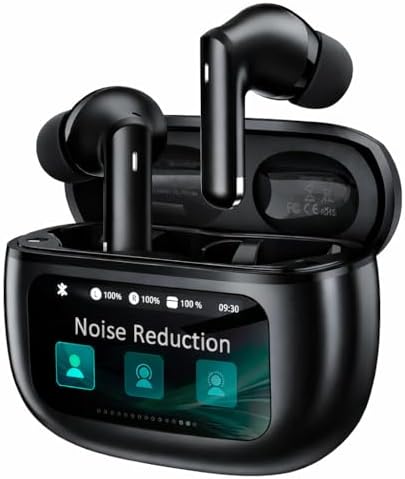
Wireless earbuds have surged in popularity in recent years, primarily due to their inherent convenience. Individuals appreciate the freedom that comes with eliminating cords, allowing for greater mobility during activities such as exercising, commuting, or even just lounging at home. Coupled with advances in Bluetooth technology, wireless earbuds provide seamless connectivity, making them an attractive option for those living an active lifestyle. Moreover, the compact design of many wireless models contributes to their portability, allowing users to easily carry them around.
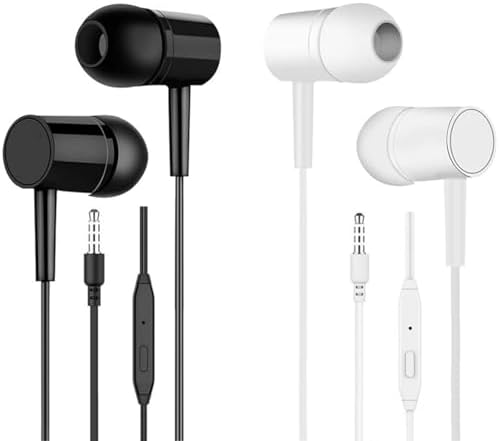
Conversely, wired earbuds maintain a loyal following, primarily due to their reputation for superior sound quality and reliability. Audiophiles often argue that wired connections yield better audio performance, as they are less susceptible to interference and latency issues commonly associated with wireless options. Furthermore, they can be more cost-effective, as consumers do not have to worry about battery life or purchasing additional accessories like charging cases. For users who prioritize audio fidelity over convenience, wired earbuds remain a solid choice.
Ultimately, the decision between wireless and wired earbuds hinges on individual preferences and specific use cases. Consumers should consider factors such as their daily activities, audio needs, and budget. By understanding the strengths and weaknesses of both options, potential buyers can make a more informed decision tailored to their lifestyle.
When considering the audio experience, sound quality and performance are paramount in the debate between wireless and wired earbuds. Historically, wired earbuds have been recognized for their superior audio quality, primarily due to the direct connection they establish with audio sources. This connection minimizes latency and eliminates compression issues, allowing for a fuller sound spectrum and richer detail, which is particularly noticeable in high-fidelity music playback.
On the other hand, wireless earbuds, while impressive in design and convenience, can face challenges that impact sound quality. The technology used in wireless earbuds can introduce latency, causing a slight delay between the audio signal and what the user hears. Additionally, the audio transmitted via Bluetooth is often compressed, which can result in a loss of audio fidelity compared to wired counterparts. However, advancements in Bluetooth technology and codecs have significantly improved the quality of wireless audio streaming, making the gap narrower than it had been in the past.
Battery life is another critical factor influencing performance. Wireless earbuds rely on battery power, which can limit listening time and lead to performance dips as the battery drains. In contrast, wired earbuds do not have this limitation and can provide uninterrupted audio as long as they are connected to a power source. Nevertheless, modern wireless earbuds often offer quick charging capabilities and adequate battery life for daily use, addressing some concerns associated with power consumption.
Connectivity is also a vital aspect of performance. Wired earbuds require a physical connection, ensuring a stable and consistent audio experience. In contrast, wireless earbuds offer the advantage of mobility and ease of use, allowing users to move freely without being tethered by wires. Ultimately, the choice between wireless and wired earbuds depends on individual preferences and specific use cases, but understanding these performance factors is crucial for making an informed decision.
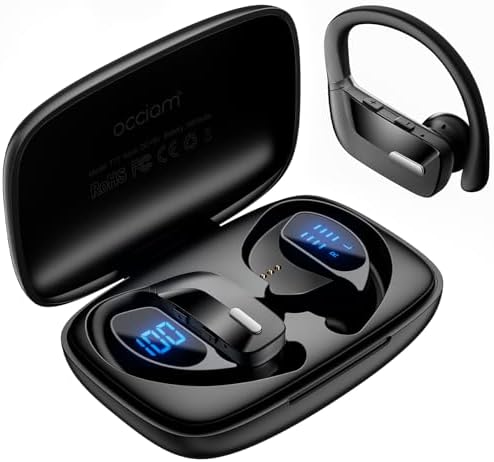

When considering the practicality of earbuds, the discussion often centers around the differences between wireless and wired models. Wireless earbuds are increasingly favored for their convenience. One of the most notable advantages is the absence of tangled cords. This benefit becomes particularly evident during physical activities such as running or working out, where freedom of movement is crucial. Users can easily integrate wireless earbuds into their routines without the constant worry of snagging or pulling on a wire.
Moreover, many wireless models come equipped with advanced features such as touch controls and voice assistants, allowing for seamless interaction without fumbling for devices. This level of accessibility enhances the overall user experience, as individuals can manage their music and calls effortlessly while engaged in an activity. The ability to connect wirelessly to multiple devices further streamlines the process, making it an attractive option for users who frequently switch between smartphones, tablets, or laptops.
On the other hand, wired earbuds also offer several practical benefits that cannot be overlooked. They are generally simple to use, requiring no charging and minimal maintenance, which appeals to users looking for straightforward functionality. Wired models can be more reliable in terms of sound quality, often providing a consistent audio experience without the potential latency issues associated with Bluetooth connections. For individuals who prioritize straightforward technology without the need for extra features, wired earbuds can be an appealing choice.
In summary, the decision between wireless and wired earbuds largely hinges on personal lifestyle and priorities. Wireless options stand out for their convenience and innovative features, while wired alternatives provide reliability and simplicity. Ultimately, understanding these practical aspects of each type can significantly influence consumer choice.


When contemplating whether to invest in wireless or wired earbuds, it’s essential to assess both price and value. Generally, wired earbuds tend to be more affordable, often ranging from as low as $10 up to $100 for high-quality options. In contrast, wireless earbuds can vary significantly in price, typically starting around $30 and reaching several hundred dollars for premium models. This price disparity largely stems from the advanced technology used in wireless devices, including Bluetooth connectivity and battery life considerations.
Beyond the initial cost, it is vital to consider additional expenses. Wireless earbuds may require replacements more frequently, especially if the battery degrades over time or if the charging case is lost. Additionally, users might need to invest in accessories such as charging cables or protective cases, which can quickly accumulate and affect the overall expenditure. In contrast, wired earbuds, while potentially less expensive upfront, may also need replacements, though they usually have a longer lifespan if cared for properly.
Another critical aspect is the perception of value. Some consumers equate higher prices with better durability, features, and brand reputation. For instance, a brand known for its rich sound quality and robust build might justify a higher price point for their wireless offerings. Therefore, before making a purchase, it’s essential to evaluate whether the features offered align with one’s personal preferences and usage habits. Factors such as sound quality, battery life, comfort, and brand trust can significantly influence one’s decision, making it imperative to weigh these elements against the financial aspect carefully.